
1. Eumarrah
4.6(89)· Hobart & Launceston
Certified Organic
Long-running Tasmanian natural/organic wholefoods grocer with fresh certified-organic and local produce, bulk foods; two stores plus Tasmania-wide online delivery.
Hobart & Launceston, TAS
Launceston and the surrounding Tamar Valley are home to a growing number of organic and biodynamic growers who sell direct to the public. This guide covers how these suppliers operate, what you can expect to pay, and how to choose a farm or stall that suits you. The page features listings including Eumarrah, The Organic Grocery Store and the Harvest Launceston Community Farmers' Market.
Long-running Tasmanian natural/organic wholefoods grocer with fresh certified-organic and local produce, bulk foods; two stores plus Tasmania-wide online delivery.

Family-run (Mark and Shelley Bennic) one-stop organic grocery in Launceston. Official stockist of Sunseeker Snacks seed-oil-free beef-tallow and olive-oil potato chips per Sunseeker's store locator.
Tasmania's original natural/organic wholefoods store (since 1985). First Tasmanian stockist of Sunseeker Snacks' seed-oil-free potato chips (cooked in grass-fed beef tallow or organic EVOO) and also stocks 100% grass-fed organic pure beef tallow.
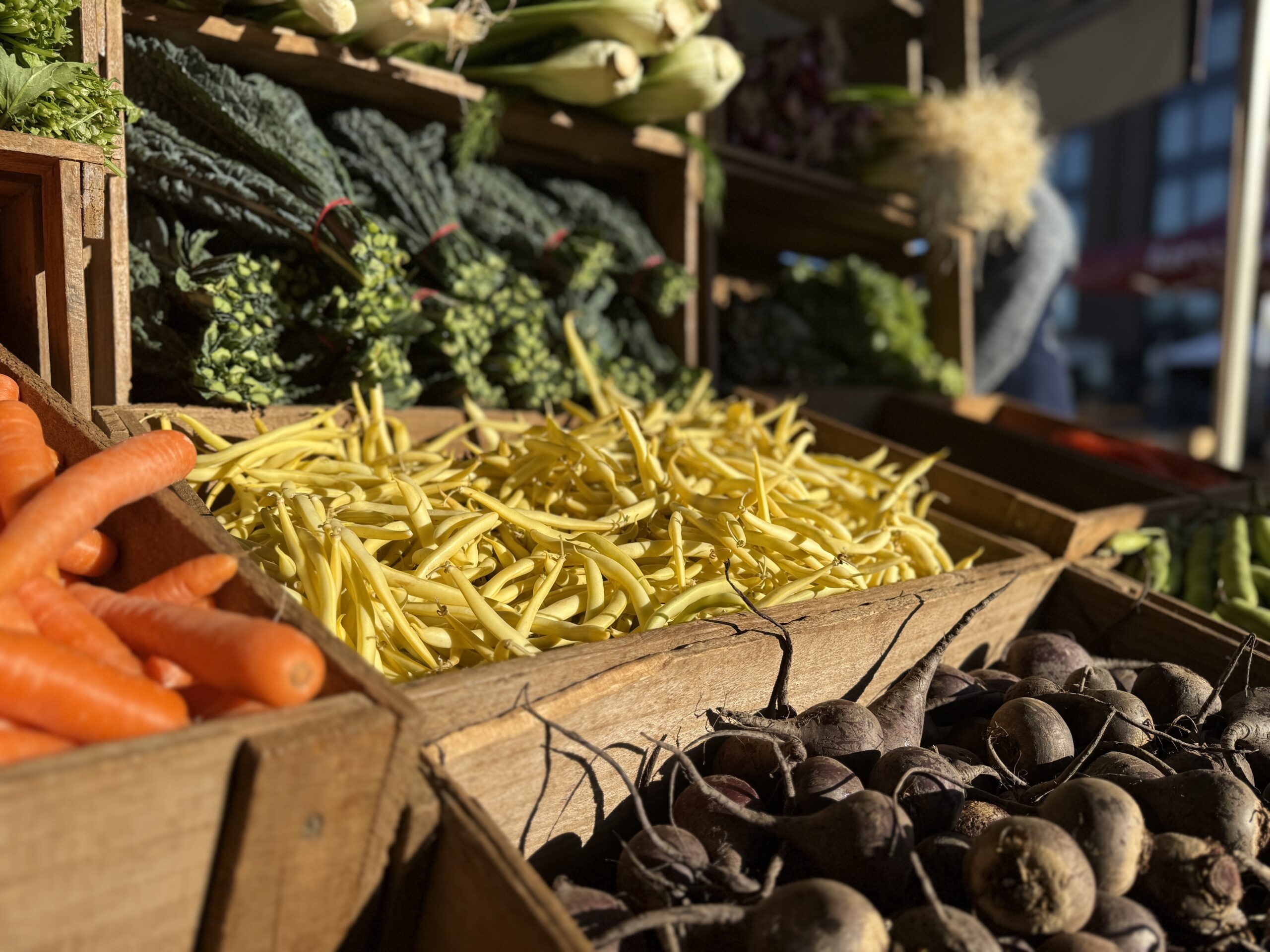
Saturday farmers market (8:30am–12:30pm) with 100+ local producers, including certified-organic and no-spray growers (Seven Springs, Three Peaks Organics, Bobbing For Apples, Brady's Lookout, Hillwood Fresh Food Co, Steve's Vegies).
Organic and biodynamic producers in the Launceston region typically sell a mix of seasonal vegetables, fruit, eggs, and sometimes pasture-raised meat, honey and preserves. Because Tasmania has a distinct cool-climate growing season, what you'll find on offer shifts noticeably through the year — think leafy greens, brassicas and root vegetables in the cooler months, and berries, stone fruit and salad crops through summer.
Some farms grow under certified organic or biodynamic systems, while others describe themselves as "spray-free" or "chemical-free" without formal certification. Both approaches exist in the region, and it's worth understanding the difference (covered below) before you decide where to shop.
There are a few common ways to buy direct around Launceston:
In Australia, raw (unpasteurised) milk cannot legally be sold for human consumption. Some suppliers market products such as "cosmetic" or "bath" milk, or operate herd-share arrangements. This guide describes how such products are marketed only — it does not advise consuming raw milk or make any claims about it. For current rules and food safety information, refer to FSANZ (Food Standards Australia New Zealand) guidance.
Prices vary widely by season, scale and certification, so treat the following as a rough guide only rather than a quote:
Certified organic produce often sits at the higher end because of the cost of certification and lower yields. Direct-from-farm buying can sometimes be cheaper than retail, but not always — you're often paying for freshness and provenance rather than the lowest price.
Check certification where organic claims are made. In Australia, credible organic and biodynamic claims are usually backed by a certifier such as ACO (Australian Certified Organic) or NASAA (National Association for Sustainable Agriculture Australia). If a producer says "certified organic," ask which body certifies them and look for the logo. If they say "spray-free" or "chemical-free," that's a different, uncertified claim — not necessarily worse, but worth understanding.
Look for transparency about practices. Good producers are happy to explain how they grow or raise their food — soil management, pest control, feed, and so on. Vagueness or reluctance to answer is a reasonable reason to look elsewhere.
Read reviews and ratings. Listings like Eumarrah (4.6★ from 89 reviews) and The Organic Grocery Store (4.5★ from 34 reviews) give you a sense of customer experience. Newer or smaller listings may have few or no reviews yet, which doesn't reflect quality either way — it just means fewer people have left feedback.
Match the supplier to how you like to shop. If you want variety in one trip, a market or wholefoods store suits. If you want the freshest single-farm produce and don't mind seasonal limits, a farm gate or box scheme may fit better.
A good first step is a visit to the Harvest Launceston Community Farmers' Market to meet growers directly, followed by a look through the wholefoods stores listed here for pantry staples and produce between market days. From there you can build a relationship with the producers whose practices, prices and range suit you best.
Or read the full organic farms & farm gates guide, or browse all Launceston producers.
You can buy at farm gates and farm shops on-site, at the Harvest Launceston Community Farmers' Market, and through wholefoods retailers such as Eumarrah and The Organic Grocery Store. Some growers also offer vegetable boxes or delivery.
It means the producer is certified by a recognised body such as ACO or NASAA and follows their standards. Ask which certifier a supplier uses. Terms like 'spray-free' are separate, uncertified claims, so it's worth asking what they involve.
As a rough guide only, expect around $4–$10 per bunch or kilo for vegetables, $8–$14 a dozen for eggs, and $30–$60 for vegetable boxes. Prices vary by season, scale and certification, so check with each supplier.
Raw (unpasteurised) milk cannot legally be sold for human consumption in Australia. Some suppliers market cosmetic or bath milk, or run herd-share arrangements. For current rules and food safety information, refer to FSANZ guidance.
Check certification claims, ask how food is grown or produced, read reviews where available, and match the supplier to how you prefer to shop — market stall, farm gate or delivery. Visiting the farmers' market is a good way to compare several at once.