What Hobart farmers markets typically offer
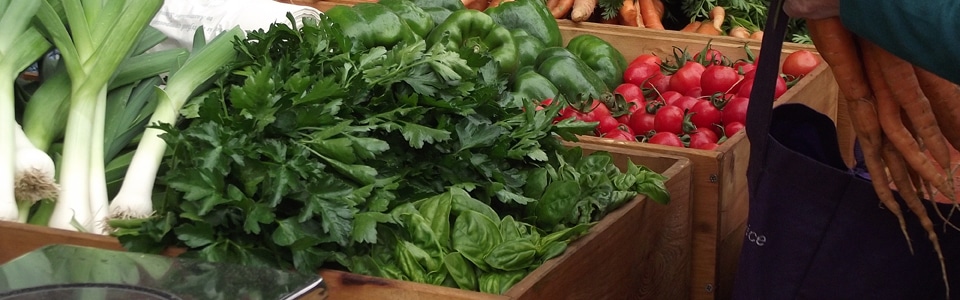
Farmers and growers markets around Hobart bring local producers directly to the public, cutting out the wholesale middle. On any given weekend you'll find seasonal fruit and vegetables, pasture-raised eggs, honey, bread and baked goods, small-batch cheese and other dairy, meat from nearby farms, and pantry lines like jams, ferments and cold-pressed oils. Because Tasmania's growing seasons are distinct, stalls shift noticeably through the year — expect stone fruit and berries over summer, brassicas, roots and stored apples through the cooler months.
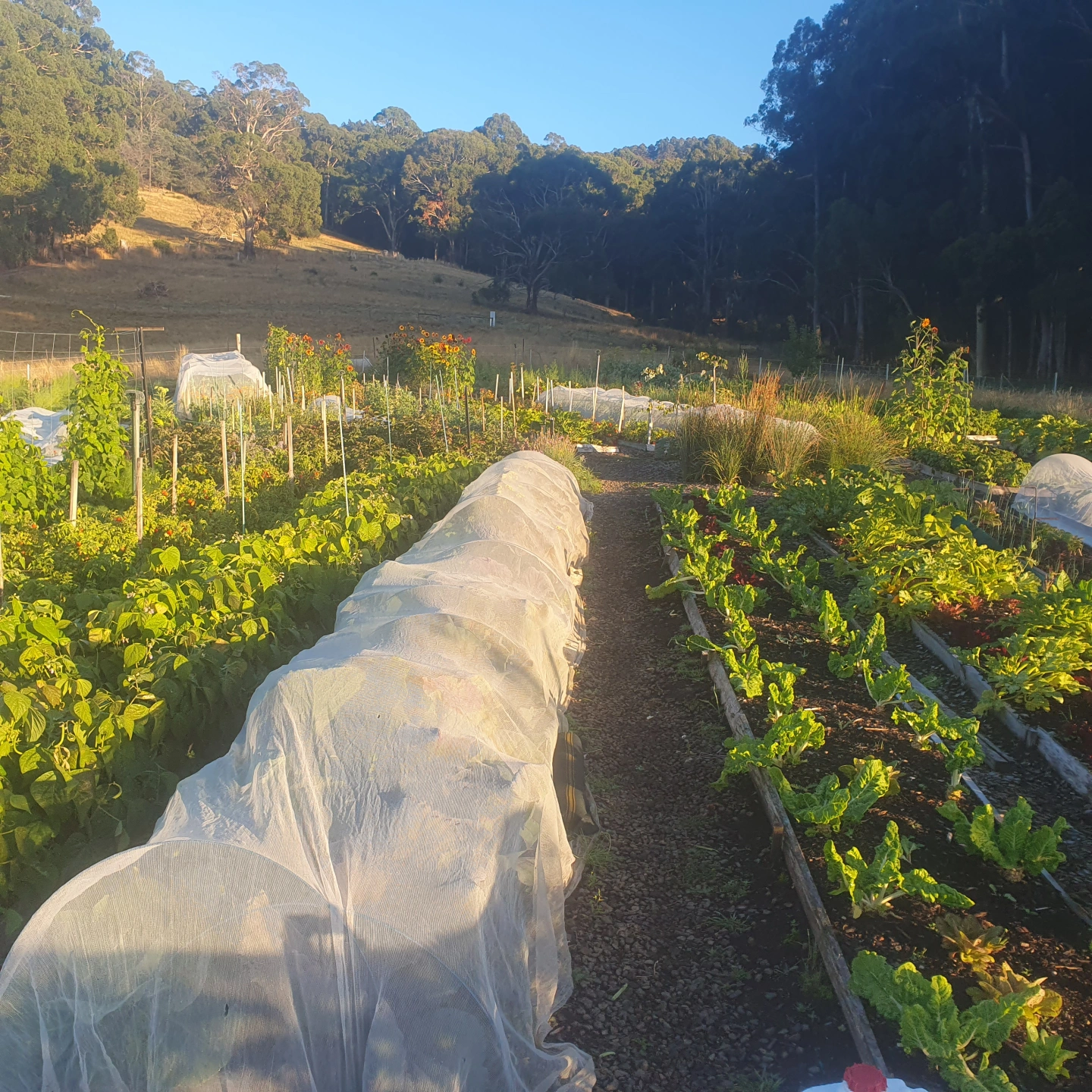
This page features a mix of market operators and individual producers, including the well-established Farm Gate Market in central Hobart, the Cygnet Market in the Huon Valley, Provenance Growers at Neika, Old Orchard Farm at Geeveston, and Elgaar Farm at Moltema. Between them they represent the main ways local food reaches buyers: staffed market stalls, farm gate sales and delivery or standing-order arrangements.
How local producers sell
- Market stalls. The most common option. Weekly or fortnightly markets (such as Hobart's Sunday Farm Gate Market) let you buy face-to-face from the grower or their staff, which makes it easy to ask about provenance and growing methods.
- Farm gate. Some producers sell direct from the property, often via an honesty box, a small shopfront or set collection times. This suits people who don't mind a drive out to the Huon or further afield.
- Delivery and boxes. A number of growers run weekly veg boxes or delivery runs into Hobart suburbs. Contents are usually seasonal and set by the farm rather than fully customisable.
- Co-ops and buying groups. Food co-ops and bulk-buying groups pool orders across members, which can lower prices on staples and pantry lines.
- Herd-share and similar arrangements. Some dairy producers market products such as cosmetic or 'bath' milk, or operate herd-share arrangements. Note that raw (unpasteurised) milk cannot legally be sold for human consumption in Australia. If you're weighing up any dairy product, check how it is labelled and refer to FSANZ guidance for the current rules.
Typical price ranges
Prices vary widely by season, scale and growing method, so treat the following as a rough guide only — always confirm current pricing with the seller:
- Seasonal vegetables: around $3–$8 per bunch or kilo
- Pasture-raised eggs: around $8–$14 a dozen
- Local honey: around $10–$20 per 500g
- Artisan bread: around $6–$12 a loaf
- Small-batch cheese: often $8–$20 per portion
- Weekly veg boxes: commonly $30–$60 depending on size
Certified organic produce and small-batch or specialty lines usually sit at the higher end. Direct-from-farm buying doesn't always mean cheaper — you're often paying for freshness, scale and growing method rather than a discount.
How to choose a supplier
Check certifications where organic claims are made. If a stall advertises 'certified organic', look for a recognised body such as ACO (Australian Certified Organic) or NASAA. Terms like 'spray-free', 'chemical-free' or 'natural' are not certified and mean whatever the grower says they mean — so ask them to explain their actual practices.
Look for transparency. Good producers are happy to tell you where the food was grown or made, what inputs they use, and how their animals are kept. Vague or evasive answers are worth noting.
Read reviews where available. Established markets like Farm Gate Market carry a large volume of public reviews, which can give a sense of consistency and range. Newer or smaller producers may have few or no reviews yet — that's common and not a red flag in itself, but it means you'll want to rely more on direct conversation.
Match the seller to how you shop. If you want to browse and compare, a large weekly market suits you. If you buy the same staples every week, a delivery box or farm gate standing order may be simpler.
Questions worth asking
- Where was this grown or produced, and by whom?
- Is it certified organic, and if so by which body? If not, how do you describe your growing method?
- What's in season right now, and what's coming up?
- Do you offer farm gate sales, delivery or a veg box?
- For dairy and other regulated products, how is this labelled and intended to be used?
Asking a few direct questions is the quickest way to sort genuine local producers from resellers, and to make sure what you're buying matches what you're after. Most Hobart growers welcome the interest — direct selling is built on that kind of conversation.