What raw cow's milk suppliers around Hobart offer
Raw (unpasteurised) cow's milk cannot legally be sold for human consumption anywhere in Australia. Because of this, suppliers around Hobart and southern Tasmania who work with unpasteurised milk typically market it in one of two ways: as cosmetic or "bath" milk (labelled not for human consumption), or through herd-share or cow-share arrangements, where a person buys a share in an animal or herd and receives milk as an owner rather than as a retail customer. Some farms and dairies in the region also sell a full range of pasteurised milk, cheese, cream and cultured products at the farm gate.
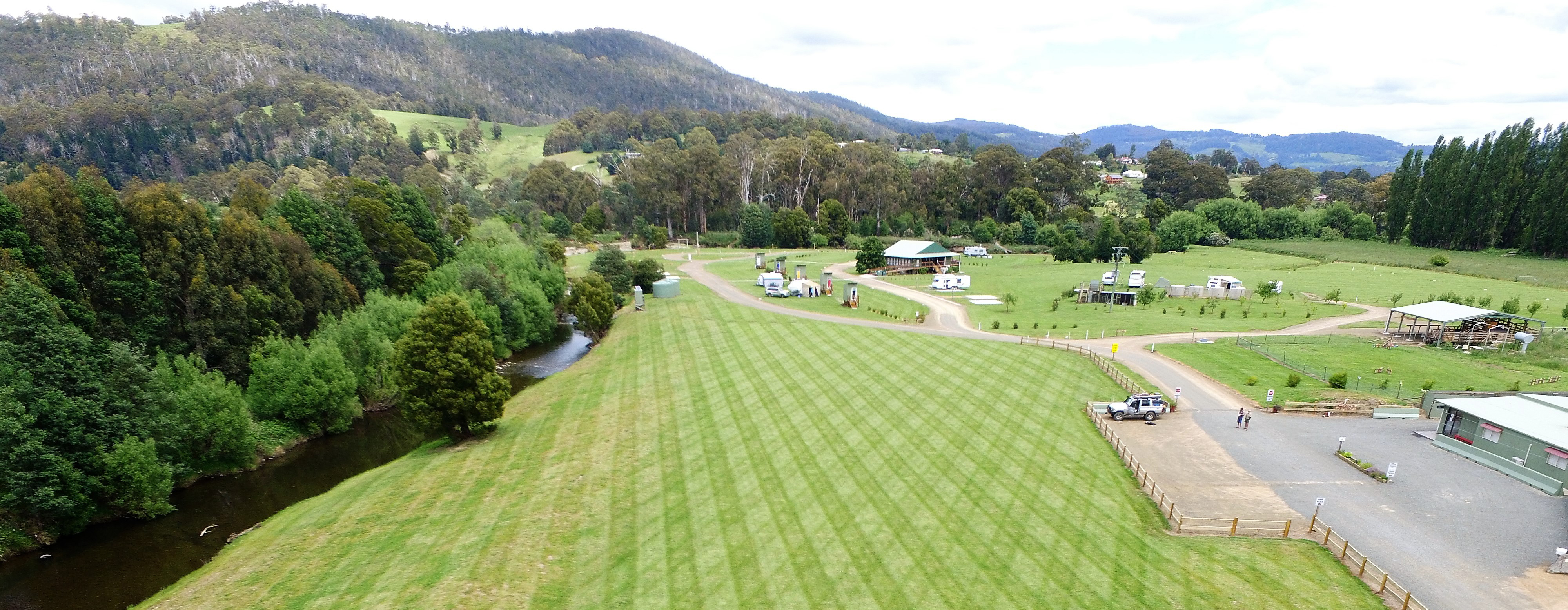
This page features listings such as Bruny Island Cheese Co. (Great Bay, Bruny Island) and Huon Valley Caravan Park (a farm stay near Huonville). These are included as directory entries — check directly with each business for exactly what they currently produce and how it is sold, as offerings change.
For the current rules and food-safety information on raw milk, see the guidance published by Food Standards Australia New Zealand (FSANZ) and Tasmanian state health authorities.
How suppliers typically sell
Around Hobart and the Huon and Channel districts, you'll generally come across these sales channels:
- Farm gate: Buying directly on-farm, often during set opening hours. This is common for cheese, cream and pasteurised milk, and for any cosmetic-milk lines.
- Market stalls: Farmers markets such as the Hobart-area weekend markets and regional producers' markets are a good place to meet producers face to face.
- Herd-share / cow-share: A membership or ownership arrangement rather than a shop purchase. You typically pay a joining or share fee plus an ongoing agistment or care fee, and collect your milk on a schedule.
- Delivery or pick-up points: Some producers coordinate collection days or drop-offs, particularly for share members.
- Food co-ops and buying groups: Local co-ops sometimes aggregate orders for dairy, though co-ops usually deal in pasteurised and shelf-stable goods.
Typical price ranges
Prices vary widely by producer, product and arrangement, so treat the following as a general guide only — always confirm current pricing directly:
- Cosmetic / bath milk: often sold by the litre or bottle, commonly in the range of roughly $3–$8 per litre depending on packaging and volume.
- Herd-share arrangements: usually a one-off share or joining fee (which can range from tens to a few hundred dollars) plus a regular boarding/care fee for the milk you collect.
- Farm-gate pasteurised milk and cream: typically similar to or slightly above supermarket specialty pricing.
- Artisan cheese: generally $40–$70+ per kilo depending on style and maturity.
Small-batch and island-based production (like Bruny Island) can carry a premium reflecting scale, freight and labour.
How to choose a supplier
Treat raw-milk and dairy suppliers the way you would any food producer — look for transparency and consistency.
- Read the reviews and ratings. Bruny Island Cheese Co. carries a large review count (4.4★ from over 2,700 reviews), which reflects a well-established visitor operation. Newer or smaller listings may have few or no reviews yet, which simply means there's less public feedback to go on — not that they're better or worse.
- Check certifications where organic claims are made. If a producer states their milk or feed is certified organic, look for a recognised certifier such as ACO (Australian Certified Organic) or NASAA. "Spray-free" or "chemical-free" pasture claims are not the same as certified organic, so ask what's actually meant.
- Ask about production and animal practices. Herd size, breed, pasture and feeding regime, milking hygiene, and how milk is chilled and stored all affect quality.
- Confirm how the product is legally sold. A reputable operator will be upfront about whether milk is labelled cosmetic/bath milk or supplied through a share arrangement, and won't make claims that conflict with the law.
- Look at freshness and logistics. How often is milk available, how is it packaged, and how far do you need to travel to collect it?
Questions worth asking
Before committing — especially to a share arrangement — consider asking:
- How exactly is your milk sold, and how is it labelled?
- What breed and how many cows are in the herd, and what do they eat?
- Do you hold any organic certification (ACO/NASAA) for feed or pasture?
- What are your milking, chilling and storage practices?
- How and when do I collect, and what are the ongoing costs?
- Can I visit the farm or see how you operate?
A note on Bruny Island and the Huon
Bruny Island and the Huon Valley are established southern-Tasmanian food regions, easy day trips or overnight stays from Hobart. Combining a farm-gate or market visit with a longer drive can be a good way to meet producers, taste what they make, and understand how they work before you buy. Always confirm opening hours, availability and current product lines directly, as small producers change what they offer seasonally.